Sky
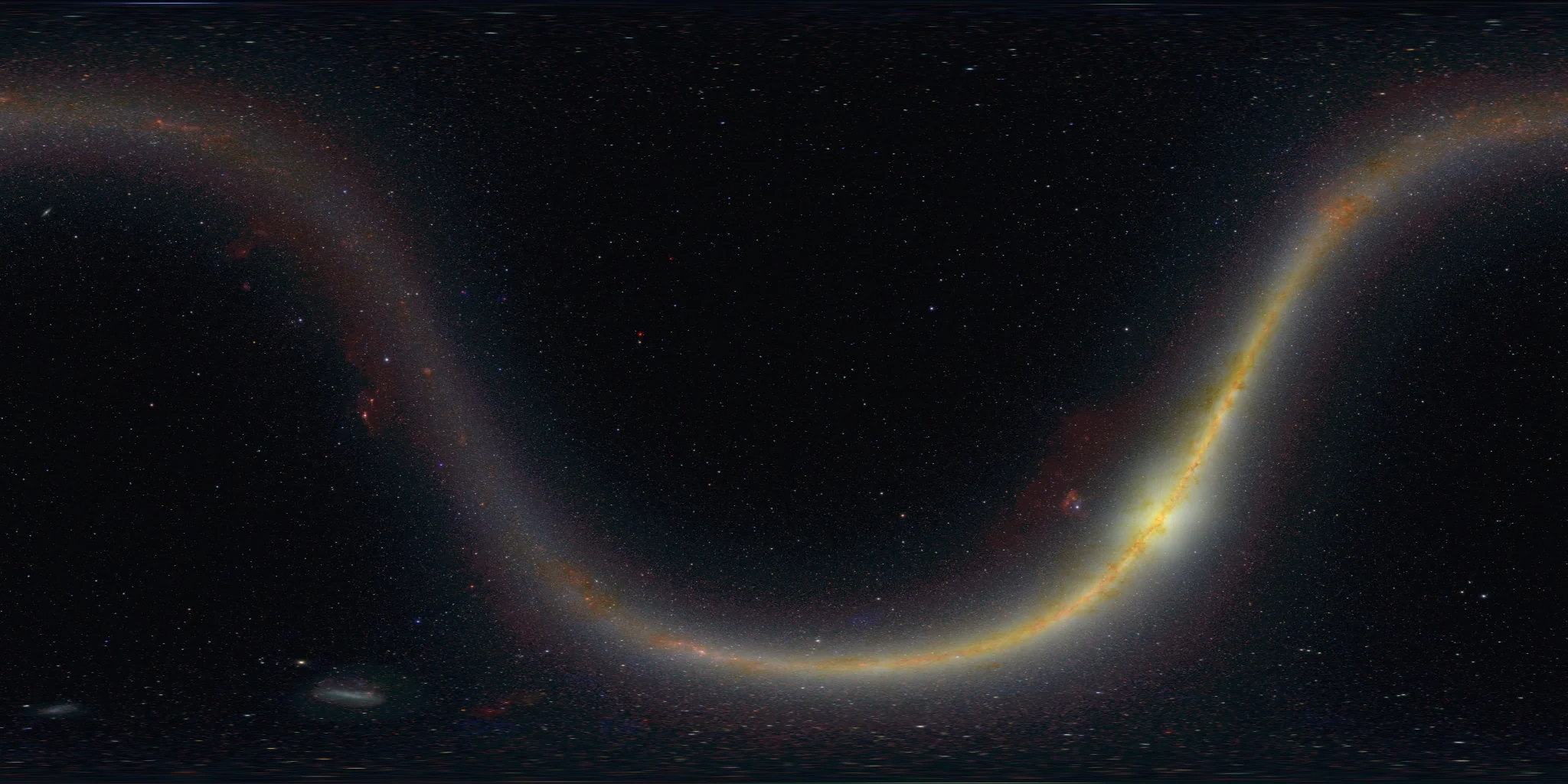
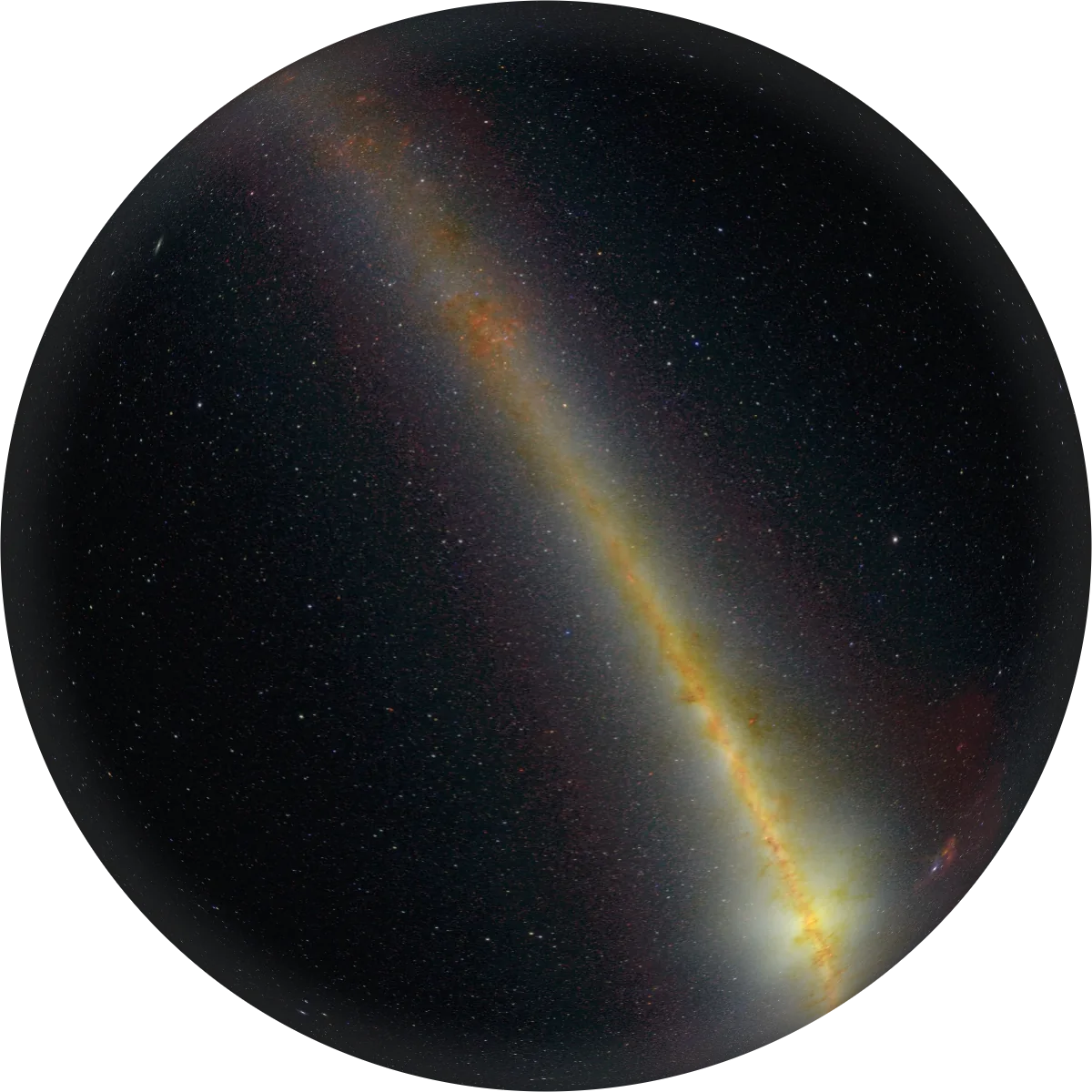
Spin the globe, click any of 117,955 stars, and fly out through 3D space to see how far away they are.
Open the sky globePlanet X Hunter lets anyone flip between NASA SPHEREx’s infrared maps of the sky and catch stars, brown dwarfs and asteroids in motion.
SPHEREx all-sky map, data release 1. Caltech/IPAC/NASA, IRSA.
NASA’s infrared space telescope sweeps every direction twice a year. This globe is its real all-sky map.
Six detectors split the light into 102 narrow bands. Here is one small patch of sky, around Barnard’s Star, through each of them. Where its centre shows dark, the star is too bright to measure.
Barnard’s Star moved 10.4 north in a year. We measure 10.55 ± 0.12 a year; Gaia measured 10.41.
Take one visit from another to get a . Still stars cancel out; Barnard’s Star shows dark where it was, bright where it is.
Every number here was measured by this project from SPHEREx images.
10.55 arcseconds a year, plus or minus 0.12
SPHEREx DR1 and QR3, 75 exposures. Gaia DR3: 10.41″.
10.3 sigma
SPHEREx DR1, May 2025 to May 2026. Predicted shift: 8.04″.
0.86 magnitudes, plus or minus 0.04
SPHEREx DR1 and QR3, 3.8–4.4 µm, Sept 2025 to Sept 2026.
Planet X Hunter lets anyone flip between NASA SPHEREx’s infrared maps of the sky and catch stars, brown dwarfs and asteroids in motion.
NASA’s infrared space telescope sweeps every direction twice a year. This globe is its real all-sky map.

Around Barnard’s Star: a patch a third as wide as the full Moon. SPHEREx D6, 4.4–5.0 µm, Aug 2025.
Six detectors split the light into 102 narrow bands. Here is one small patch of sky, around Barnard’s Star, through each of them. Where its centre shows dark, the star is too bright to measure.
Barnard’s Star moved 10.4 north in a year. We measure 10.55 ± 0.12 a year; Gaia measured 10.41.
Take one visit from another to get a . Still stars cancel out; Barnard’s Star shows dark where it was, bright where it is.
Every number here was measured by this project from SPHEREx images.
10.55 arcseconds a year, plus or minus 0.12
SPHEREx DR1 and QR3, 75 exposures. Gaia DR3: 10.41″.
10.3 sigma
SPHEREx DR1, May 2025 to May 2026. Predicted shift: 8.04″.
0.86 magnitudes, plus or minus 0.04
SPHEREx DR1 and QR3, 3.8–4.4 µm, Sept 2025 to Sept 2026.
The same SPHEREx data, for a quick look or a close one.
Spin the globe, click any of 117,955 stars, and fly out through 3D space to see how far away they are.
Open the sky globe Aug 2026
Blink the frames, measure how things move and change, and export what you find. Five targets are ready to open.
Open the LabOr read about what the search has found and how it works.